

Why Knowing I Beam Weights Matters
If you’ve ever wandered around a construction site or peeked into a structural engineer’s notes, you might have seen them scribbling numbers next to “I beams.” These numbers aren’t random—they tell you exactly how heavy each beam is. And yes, weight matters. Too light, and your structure could wobble like a Jenga tower. Too heavy, and you might as well be trying to lift a small elephant with a crowbar. That’s why an accurate i beam weight chart in kg can save you a lot of headaches, not to mention prevent your wallet from crying over wasted materials.
I remember when I was helping a friend with a small renovation project, and we had no clue about beam weights. We ended up overestimating by a lot, and moving those beams felt like we’d signed up for a CrossFit competition without training. Lesson learned: always check the weight chart first.
What an I Beam Actually Is
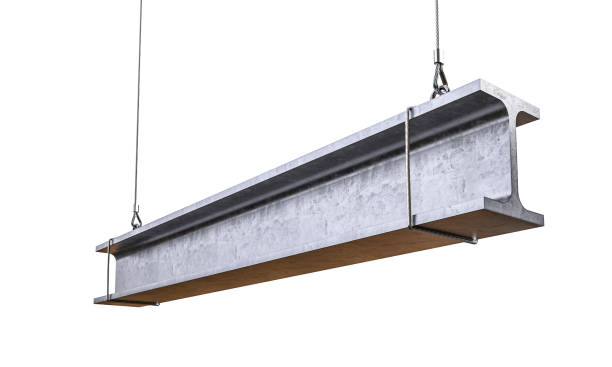
So, what’s this “I beam” thing anyway? Picture the capital letter “I.” That’s basically the cross-section of these steel beams. The top and bottom horizontal parts are called flanges, and the vertical middle section is the web. They’re designed this way for a reason: it maximizes strength while keeping the weight manageable. Think of it like a chocolate bar with thick edges and a hollow-ish middle—strong where you need it, lighter where you don’t.
But here’s the kicker—just because they all look similar doesn’t mean they weigh the same. Different lengths, thicknesses, and flange widths all change the final weight. And if you’re planning to lift them or calculate load-bearing capacities, that’s a detail you can’t skip.
Breaking Down the I Beam Weight Chart in Kg
Alright, here’s where things get practical. The i beam weight chart in kg gives you a ready reference for how much each beam weighs per meter. For example, a smaller I beam might be around 10-15 kg per meter, while heavier industrial-sized beams can easily surpass 200 kg per meter. If you’ve ever tried to lift anything remotely heavy, you know that even 20 kg feels like carrying a mini-fridge after a few meters.
Engineers, architects, and even DIY enthusiasts use these charts constantly. It’s not just about lifting; it’s about calculating load distribution. Using the wrong weight in your calculations is like trying to balance a seesaw with one person being an adult and the other being a toddler—you’re asking for trouble.
Why the Numbers Aren’t Always What You Think
Here’s a fun fact: sometimes, the weight listed in charts is slightly different from the real-world weight. Why? Because manufacturing tolerances and steel density variations happen. Plus, beams aren’t always cut perfectly. So if a chart says 50 kg/m, it might actually be 49.8 kg/m or 50.2 kg/m. Tiny differences, sure, but in massive construction projects, these tiny differences can add up like a snowball rolling downhill.
How People Actually Use It
Scroll through a few construction forums or even Reddit threads, and you’ll see people debating beam weights like it’s sports stats. “I think a 200 mm H-beam weighs 30% more than this one.” “Nah, check the i beam weight chart in kg, it’s right here!” It’s actually a surprisingly social topic in certain circles. Contractors share these charts in WhatsApp groups, architects drop screenshots in online communities, and sometimes you’ll even find memes about lifting “500 kg beams like it’s nothing.”
Honestly, it’s a bit of a relief seeing professionals get nerdy about this stuff. Because if you’re serious about building, you don’t just wing it—you measure, you calculate, you double-check.
Quick Tips for Using the Chart
One thing I’ve learned from experience is not to underestimate the “per meter” part. Always multiply the beam length by the weight per meter to get the total weight. It seems obvious, but in the rush of a project, even experienced folks mess it up. And if you’re buying beams in bulk, remember: weight affects transport costs, crane specifications, and even your budget.
Another tip: keep a mental note of commonly used sizes. The first time I memorized a few standard beams, I realized I was saving time every single week when checking orders or planning layouts. It’s like knowing your favorite coffee order by heart—you just breeze through it.
Final Thoughts
Understanding the i beam weight chart in kg might sound boring at first, but trust me—it’s actually kind of empowering. You get a real sense of control over your construction project. No more guessing, no more accidental overloading, and certainly no more awkward “oops, this beam is too heavy” moments. Plus, it’s a nice flex to casually drop in conversation at a construction site: “Yeah, I checked the beam weights. All good.”